Outdoor adventure travel has taken on new meaning for American travelers. What was once seen as a niche or seasonal choice has now become a dominant travel preference. As travelers seek flexibility, open spaces, and meaningful yet adventurous experiences, outdoor adventure travel has emerged as one of the most booked segments in the US travel market.
From national parks and mountain trails to coastal escapes and international nature destinations, Americans are increasingly choosing trips that place the outdoor adventure at the center of the experience.
Why Outdoor Adventure Travel Is Surging in the US?
One major reason for this shift is changing traveler priorities. According to the adventure travel market size reports, trips to outdoor and rural destinations have grown faster than traditional urban travel, as travelers value space, wellness, and simplicity.
Once considered for a small, niche audience, the adventure travel sector has undergone a profound transformation and now attracts an audience from a broader range of travelers. These audiences seek immersive experiences that shape deep connections with themselves and the culture of the place.
Outdoor travel also offers flexibility. Many adventures can be planned as short trips, adjusted around weather, or scaled to different fitness levels, making them appealing to a wide range of travelers.
Just as importantly, outdoor trips often feel more personal. Instead of following rigid itineraries, travelers can move at their own pace and connect more deeply with nature.
Most Popular Outdoor Activities Americans Are Booking
1. Hiking and Trail-Based Travel
Hiking remains the most accessible and widely booked outdoor activity among Americans. Trips centered around national parks, mountain ranges, and scenic trails continue to dominate travel plans.
The National Park Service reported over 325 million recreational visits in a single year, underscoring the strong demand for hiking and outdoor exploration across the country
Destinations that offer well-marked trails, guided hikes, and varied difficulty levels tend to attract both beginners and experienced outdoor travelers.
2. Camping, Glamping, and Nature Retreats
Camping has evolved significantly. While traditional tent camping remains popular, many travelers are now booking glamping experiences that combine comfort with immersion in nature.
These stays often include amenities like private cabins, eco-lodges, or furnished tents, making them appealing to travelers who want nature without sacrificing convenience. This has fueled demand for nature-based travel experiences that feel restorative rather than rugged.
3. Water-Based Outdoor Adventures
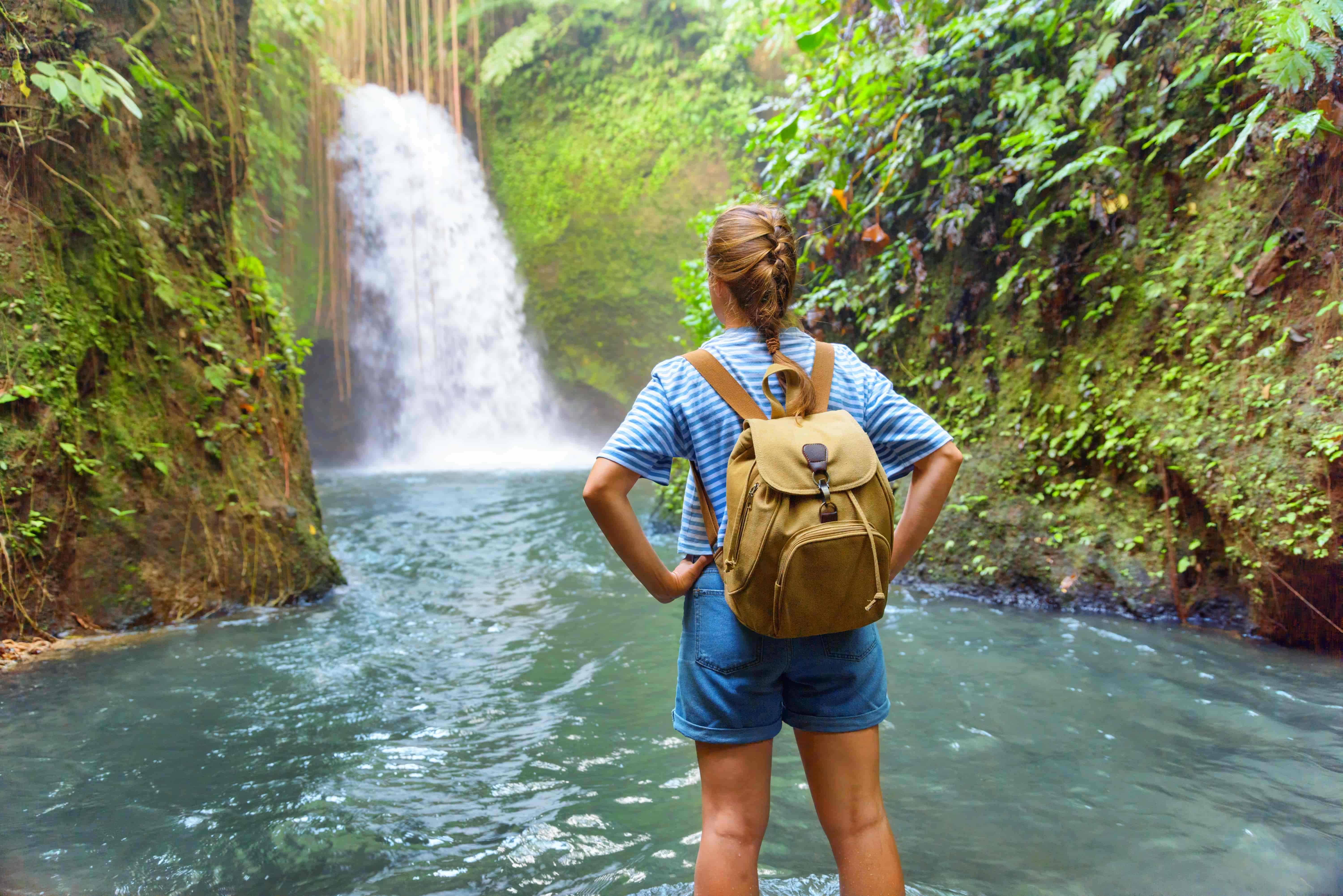
Kayaking, paddleboarding, rafting, and coastal exploration are also seeing increased bookings. Lakes, rivers, and coastal destinations allow travelers to combine relaxation with physical activity.
Outdoor adventure travel near water appeals especially to families and first-time adventure travelers because activities can be customized to different comfort levels.
Adventure Travel Trends Shaping Booking Behavior
1. Experience-First Planning
Rather than choosing destinations first, many Americans now plan trips around activities. Travelers search for places where they can hike, kayak, or explore natural, scenic landscapes. Then they build itineraries around those experiences.
This shift explains why destinations known for outdoor infrastructure continue to outperform traditional sightseeing hubs.
2. Shorter, More Frequent Outdoor Trips
Outdoor adventures fit well into long weekends or extended breaks. Instead of one long vacation per year, travelers are booking multiple shorter trips focused on hiking, camping, or nature exploration.
This pattern has made outdoor travel more resilient and consistently in demand among US travelers.
International Outdoor Adventures Americans Love
While domestic outdoor travel remains strong, Americans are also booking international outdoor destinations known for safety and accessibility. Countries like Canada, Iceland, and New Zealand consistently rank high for outdoor adventure travel due to their landscapes, infrastructure, and environmental preservation.
According to insights shared by the World Economic Forum, destinations that prioritize sustainable tourism and outdoor accessibility are seeing increased interest from international travelers. Moreover, an American Express Global traveler’s survey stated that over 72% of respondents care about having the right travel experience rather than worrying about the cost of the trip.
Conclusion- What This Shift Says About Modern Travel?
Outdoor adventure travel reflects a broader change in how Americans define a successful trip. It’s no longer just about seeing landmarks—it’s about movement, immersion, and personal experience.
As more travelers prioritize health, flexibility, and nature, outdoor adventure travel is positioned to remain a core part of travel planning well into the future.